

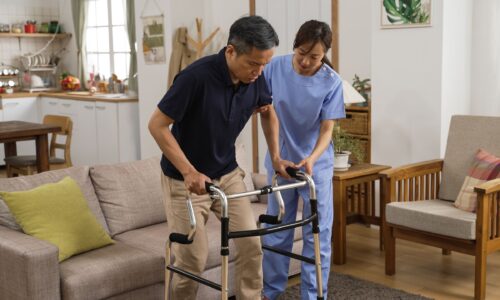

Breathing problems can limit your daily activities. Pulmonary rehab is a medically supervised program of education and exercise, and it works to strengthen your breathing. Just as physical rehab supports your muscles, this program targets your lungs. If you struggle with shortness of breath, rehab may help; when you commit to the process, your daily function can change.
Build Your Rehab Program
Pulmonary rehab combines supervised exercise with health education. You learn breathing techniques, and you practice movements that build endurance over time. Each session includes both exercise and education, so you gain knowledge as you build physical strength. They work together to keep your plan aligned with your health status and goals. Sessions run on a set schedule, and your team monitors your progress during exercise. They track how your body responds to each activity, and they record changes over time. If your breathing or heart rate signals a concern, staff can adjust the session immediately. Because the program is structured and supervised, you follow clear steps throughout each stage. Staff guide you through each movement, and they correct your form when needed. This reduces the risk of overexertion, and it helps you build endurance safely.
Understand Your Assessment Tools
Before rehab begins, your team measures your current lung function. This test is straightforward, and it provides a clear baseline for your plan. Because these numbers reflect your starting point, your care team can identify areas that need support; they use this data to set realistic goals and design exercises that match your current ability.
- Pulmonary function test: Uses a spirometer to measure lung capacity and airflow speed; most people complete it in under 30 minutes.
- Pulmonary stress test: Monitors breathing, heart rate, and oxygen levels during controlled exercise on a treadmill or stationary bike.
- Repeat testing: Both tests may be repeated throughout the program to track progress and guide plan adjustments.
- Combined use: Together, these tools provide resting and active lung data, giving your team a complete picture of your breathing health.
Strengthen Your Daily Routine
Rehab focuses on skills you use every day. You practice pacing, and you learn to manage breathlessness during tasks. These techniques apply to walking, climbing stairs, and household chores. Your care team teaches you how to conserve energy during routine activities. You learn to slow your pace, use controlled breathing, and plan rest breaks. These strategies reduce strain, and they help you stay active longer. Practicing these techniques in a supervised setting builds your strength before you apply them.
Your team will identify which activities trigger symptoms, so you can adjust your approach. If a task causes breathlessness, they show you how to modify it rather than avoid it; this keeps you engaged in your routine without overexertion. Over time, small adjustments add up. Daily tasks become more manageable. You may find that activities you once avoided are now within reach, and your endurance builds with each session. Education is part of each session.
Start Your Pulmonary Rehab Journey
Pulmonary rehab connects testing, exercise, and education in one plan. A pulmonary function test and a pulmonary stress test guide your starting point, and your team builds from there. If breathing limits your routine, ask your provider about a referral. When you are ready, schedule an evaluation and begin your program. Talk with your care team today to review your options.
- The Benefits of Seeing a Back Doctor for Sports Injuries
- How Skin Removal Surgery Helps Enhance Weight Loss
- How Industrial Teams Can Prevent Costly Equipment Downtime
- A Complete Guide To Filing A Medical Malpractice Claim In Georgia
- Find an Inclusive Therapist in Chicago, Illinois: Culturally Responsive Care With Ida Lillie Psychotherapy