

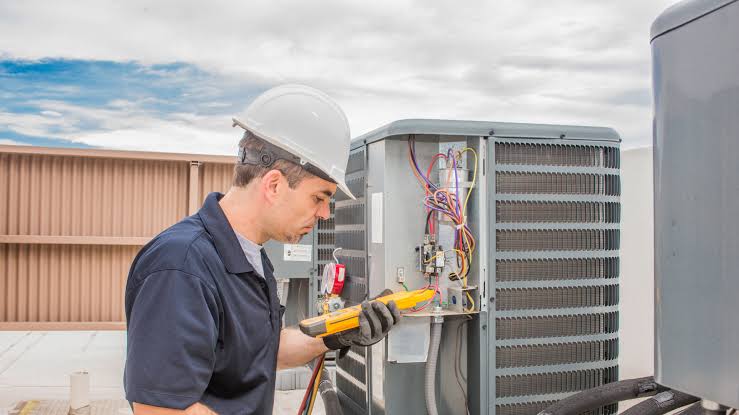

When planning an air conditioning installation, the system’s effectiveness and efficiency depend on the quality of work performed by the HVAC contractor. These professionals help homeowners select the proper unit size. They install the equipment according to the system’s requirements, and they perform quality checks. Here are some tips for choosing the right HVAC contractor for your installation project:
Evaluate the HVAC Company’s Capabilities
Homeowners should evaluate qualifications and services when choosing suitable HVAC contractors, as air conditioning installation involves several aspects, including electrical connections, refrigerant, and ductwork. These components need to work together seamlessly for the system to perform correctly. A company with experienced technicians should be able to manage the following tasks:
- Assessing an existing cooling system
- Identifying installation requirements
- Recommending equipment based on the home’s characteristics
Homeowners can assess a contractor’s qualifications by reviewing how they approach professional development. Some HVAC companies conduct extensive screening during the hiring process, and they provide technicians with opportunities for continuing education each year. This helps them learn new technologies and work safely with modern equipment, which supports high-quality installation for homeowners. An experienced installer may also provide a range of other air conditioning services, including preventive maintenance, system diagnostics, and repairs.
Compare AC System Options
The right HVAC contractor performs a comprehensive evaluation of the existing system before making recommendations. Factors such as repair frequency, system age, property requirements, and current energy efficiency help guide the selection of suitable replacement options. This approach allows homeowners to make informed decisions that align with their preferences and needs.
Homeowners can choose between central air conditioning systems that distribute cooled air through ductwork and mini-split systems that provide independent temperature control in specific rooms. The right choice depends on the home’s configuration and the type of cooling needed. A qualified HVAC contractor should discuss each option; they can explain the different benefits and installation processes rather than presenting a single system.
Review the HVAC Project Proposal
HVAC contractors typically provide customers with a quote or project summary before starting the work; this gives homeowners an opportunity to review the included details in advance. A useful work proposal should identify the equipment, installation work, and associated repairs. With this information, homeowners can compare contractors and choose a suitable option.
Qualified contractors break down various aspects of the project, including labor requirements and equipment specifications. They can also specify estimated completion times, which helps homeowners have clear expectations throughout the process. This is key for older homes that need more work because their weather sealing or insulation is inadequate.
Some HVAC contractors also offer priority scheduling for members of loyalty clubs or similar programs. This helps homeowners plan an air conditioning installation project with fewer disruptions to their routine. Homeowners interested in ongoing HVAC maintenance can ask about available service agreements and any scheduling benefits they include.
Assess Installation and Maintenance Practices
Installation quality affects how the entire air conditioning system operates. A qualified HVAC contractor follows the manufacturer’s requirements during installation to provide homeowners with long-lasting service. This includes addressing details such as duct connections, refrigerant levels, electrical wiring, and system testing.
Quality installers may begin the project by clearing the installation path; this gives them easy access to where the unit will be placed. They proceed to inspect and clean the air ducts, which helps identify issues such as crushed flex ducts, disconnected sections, and buildup that limits airflow. Before installation begins, technicians may also check the home’s insulation and address poorly insulated areas or walls. Areas that should be checked include the following:
- Exterior walls in older homes
- Attic spaces with uneven or thin insulation
- Garage conversions that later had temperature control installed
- Ceiling areas above rooms with direct sun exposure or large windows
HVAC professionals also offer maintenance services after completing the installation. They typically recommend a full system assessment at least twice per year: once in the fall and once in the spring. This helps improve efficiency; it may also extend the equipment’s lifespan and reduce the risk of emergency breakdowns.
Find Professional Air Conditioning Installation
Selecting the right HVAC contractor involves evaluating their services and qualifications, comparing installation options, reviewing the work proposal, and assessing the installation process. These steps give homeowners a clearer understanding of what the air conditioning installation will involve before they sign an agreement. Contact an HVAC contractor to discuss their services and make sure they meet your property’s needs.
- The Benefits of Seeing a Back Doctor for Sports Injuries
- How Skin Removal Surgery Helps Enhance Weight Loss
- How Industrial Teams Can Prevent Costly Equipment Downtime
- A Complete Guide To Filing A Medical Malpractice Claim In Georgia
- Find an Inclusive Therapist in Chicago, Illinois: Culturally Responsive Care With Ida Lillie Psychotherapy