

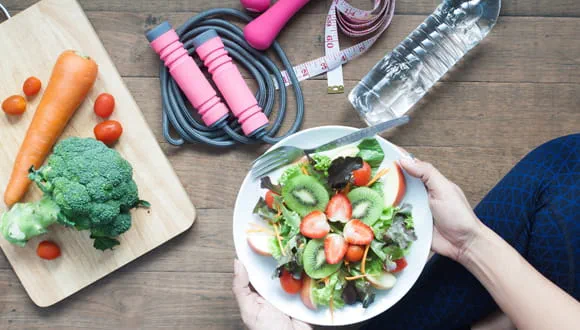

Maintaining good health does not always require expensive gym memberships, complicated diet plans, or regular visits to wellness centres. Many of the most important things you can do for your health can start right at home. Small daily habits such as eating nutritious food, staying active, getting enough sleep, drinking water, and managing stress can make a big difference over time.
- 1. Eat a Balanced and Nutritious Diet
- 2. Drink Enough Water Every Day
- 3. Stay Physically Active at Home
- 4. Get Enough Quality Sleep
- 5. Take Care of Your Mental Health
- 6. Keep Your Home Clean and Healthy
- 7. Limit Unhealthy Daily Habits
- 8. Follow Good Personal Hygiene
- 9. Spend Time in Natural Light and Fresh Air
- 10. Create a Simple Daily Health Routine
- Conclusion
- Frequently Asked Questions
Your home is where you spend a large part of your life, so creating healthy routines at home can help you feel more energetic, improve your mood, and support your physical and mental well-being. The good news is that you do not need to change everything in one day. A few simple changes, followed consistently, can lead to a healthier lifestyle.
This article explains how to maintain good health at home with easy and practical tips that almost anyone can include in their daily routine.
1. Eat a Balanced and Nutritious Diet
One of the most important ways to maintain good health at home is to pay attention to what you eat. Food gives your body the energy and nutrients it needs to work properly.
Try to include different types of healthy foods in your meals, such as:
- Fresh fruits
- Vegetables
- Whole grains
- Eggs
- Beans and lentils
- Fish or lean meat
- Nuts and seeds
- Milk, yoghurt, or other nutritious alternatives
You do not have to follow a perfect diet. The goal is to make healthier choices most of the time. For example, you can choose fruit instead of sweets for a snack or add vegetables to your lunch and dinner.
It is also helpful to reduce highly processed foods that contain too much sugar, salt, or unhealthy fats. Eating fast food occasionally is not necessarily a problem, but making it a daily habit can affect your health over time.
A simple rule is to try to make your plate colourful. Different fruits and vegetables provide different nutrients, so eating a variety can support better overall health.
2. Drink Enough Water Every Day
Water is essential for your body. It helps support digestion, temperature regulation, and many other normal body functions. However, many people forget to drink enough water, especially when they are busy working or studying at home.
Keep a water bottle or glass near you during the day. This can remind you to drink regularly.
You can also increase your fluid intake through foods such as:
- Watermelon
- Oranges
- Cucumbers
- Soups
- Other water-rich fruits and vegetables
The amount of water a person needs can vary depending on age, activity level, weather, and other individual factors. A good habit is to drink regularly and pay attention to your body’s needs.
If you do not enjoy plain water, you can add natural flavour with slices of lemon, cucumber, or other fruit.
3. Stay Physically Active at Home
You do not need a large gym or expensive equipment to stay active. There are many easy exercises you can do at home.
Regular movement can help improve fitness, support heart health, strengthen muscles, and boost your mood. You can choose activities that match your fitness level and interests.
Some simple ways to exercise at home include:
- Walking around your home or neighbourhood
- Stretching
- Yoga
- Dancing
- Bodyweight exercises
- Squats
- Push-ups
- Light home workouts
- Following a beginner exercise routine
If you work at a desk for many hours, avoid sitting in the same position all day. Stand up, stretch, and move around regularly.
You do not have to exercise for hours to benefit from movement. Even short periods of activity can become valuable when they are part of a regular routine. The key is consistency.
Choose activities that you actually enjoy. If you enjoy dancing, dance. If you prefer walking, walk. Healthy exercise should become a natural part of your lifestyle instead of feeling like a punishment.
4. Get Enough Quality Sleep
Sleep is often ignored when people talk about health, but it is one of the most important parts of a healthy lifestyle. Your body and mind need time to rest and recover.
Poor sleep can affect your energy, concentration, mood, and daily performance. Creating a healthy bedtime routine can help you sleep better.
Try these simple habits:
- Go to bed at a regular time
- Wake up at a similar time each day
- Keep your bedroom comfortable and quiet
- Avoid using screens right before bed when possible
- Avoid large amounts of caffeine late in the day
- Give yourself time to relax before sleeping
Everyone has different sleep needs, but adults generally need several hours of quality sleep each night. Instead of focusing only on the number of hours, also pay attention to how rested you feel.
A good night’s sleep can help you start the next day with more energy and a clearer mind.
5. Take Care of Your Mental Health
Good health is not only about your body. Your mental and emotional well-being are also important.
Life at home can sometimes become stressful. Work, family responsibilities, money concerns, and daily problems can affect how you feel. It is important to give yourself time to relax and manage stress.
You can support your mental health by:
- Taking regular breaks
- Talking with trusted friends or family
- Spending time on hobbies
- Reading a book
- Listening to music
- Practising relaxation or deep breathing
- Spending time outdoors when possible
- Limiting stressful content and excessive screen time
You do not need to be productive every minute of the day. Rest is also important. Taking time for yourself can help you feel refreshed and reduce daily stress.
If you are dealing with serious or ongoing emotional difficulties, consider speaking with a qualified health or mental health professional.
6. Keep Your Home Clean and Healthy
Your surroundings can also affect your health. A clean and comfortable home can help you feel better and reduce exposure to dirt, dust, and other irritants.
Simple habits include:
- Cleaning commonly used surfaces
- Keeping the kitchen clean
- Washing hands regularly
- Changing and washing bedding
- Removing unnecessary clutter
- Opening windows for fresh air when appropriate
You do not need to clean your entire home every day. Creating a simple cleaning routine can make the task easier.
For example, you can spend a few minutes each day cleaning one small area. This prevents dirt and clutter from building up and makes your home easier to manage.
A clean environment can also support your mental well-being because an organised space may feel more peaceful and less stressful.
7. Limit Unhealthy Daily Habits
Maintaining good health at home also means paying attention to habits that may negatively affect your body over time.
For example, try to avoid or reduce:
- Excessive junk food
- Too much sugary drink consumption
- Sitting for very long periods
- Poor sleep routines
- Excessive screen time
- Skipping meals regularly
You do not need to make all changes at once. Start with one habit and improve it gradually.
For example, if you drink several sugary drinks each day, try replacing one with water. If you spend many hours sitting, add a few short movement breaks. Small improvements can become powerful when repeated every day.
Do not focus on being perfect. Focus on making better choices more often.
8. Follow Good Personal Hygiene
Personal hygiene is another important part of staying healthy at home. Good hygiene can help you feel clean and comfortable while reducing the spread of many common germs.
Basic personal hygiene habits include:
- Washing your hands properly
- Brushing your teeth regularly
- Bathing regularly
- Wearing clean clothes
- Keeping nails clean
- Maintaining good oral care
Handwashing is especially important before preparing food, before eating, and after using the bathroom.
Oral health should also not be ignored. Brushing your teeth regularly and maintaining healthy dental habits can help protect your teeth and gums.
These simple routines may seem basic, but they are an important part of everyday health.
9. Spend Time in Natural Light and Fresh Air
Many people spend most of their day indoors. When possible, try to spend some time outside or near natural light.
You might take a short walk, sit outside, work near a window, or simply spend a few minutes enjoying fresh air.
Natural surroundings can help break up long periods indoors. A short walk can also combine several healthy habits at once because you are moving your body, changing your environment, and taking a mental break.
If going outside is not possible, keeping your living space comfortable and allowing appropriate natural light can still help create a more pleasant environment.
10. Create a Simple Daily Health Routine
One of the best answers to the question how to maintain good health at home is to create routines that are easy to follow.
You do not need a complicated schedule. A simple day might include:
Morning: Wake up, drink water, eat a nutritious breakfast, and move your body.
During the day: Eat balanced meals, stay hydrated, take movement breaks, and manage stress.
Evening: Have a lighter routine, reduce unnecessary screen time, relax, and prepare for quality sleep.
When healthy actions become part of your routine, you do not have to think about them as much. They gradually become normal habits.
Start with realistic goals. Trying to completely change your lifestyle in one week can be difficult. Instead, choose one or two habits and build from there.
For example, you could start by drinking more water this week. Next week, add a short daily walk. Later, work on improving your sleep routine.
Slow and steady progress is often easier to maintain.
Conclusion
Learning how to maintain good health at home does not have to be difficult. Good health is built through regular daily habits rather than one perfect diet, exercise session, or wellness routine.
Eating nutritious food, drinking enough water, staying physically active, getting quality sleep, caring for your mental health, maintaining good hygiene, and keeping your home environment healthy can all support your overall well-being.
The most important thing is consistency. You do not need to do everything perfectly. Start with small changes that fit your daily life and continue building healthier habits over time.
Your home can be a great place to begin your journey towards a healthier lifestyle. Every positive choice, no matter how small, can be a step towards feeling healthier, stronger, and more energetic.
Frequently Asked Questions
1. How can I maintain good health at home naturally?
You can maintain good health naturally by eating a balanced diet, drinking enough water, staying physically active, getting enough sleep, managing stress, and following good hygiene habits. Start with small changes and make them part of your daily routine.
2. What are the best exercises to do at home?
Simple home exercises include walking, stretching, yoga, dancing, squats, push-ups, and other bodyweight exercises. Choose activities that match your fitness level and that you enjoy doing regularly.
3. How important is sleep for good health?
Sleep is very important because it gives your body and mind time to rest and recover. Quality sleep can support energy, concentration, mood, and overall daily functioning.
4. How can I improve my mental health at home?
You can support your mental health by taking breaks, spending time with people you trust, enjoying hobbies, practising relaxation, getting regular movement, and creating time for rest. Seek support from a qualified professional if emotional difficulties are serious or ongoing.
5. What is the easiest way to start living a healthier lifestyle?
Start with one simple habit, such as drinking more water, eating more vegetables, taking a daily walk, or improving your sleep routine. Once that habit becomes easier, add another healthy change. Small and consistent steps can lead to lasting improvements.