


Key Takeaways
- Inspect ponds seasonally for leaks, debris, equipment issues, and shifting edges.
- Manage heat, algae, water levels, and circulation during summer.
- Remove fallen leaves and monitor storm runoff in autumn.
- Protect fish, pumps, filters, and plumbing during winter.
- Address recurring leaks, weak pumps, and unstable rockwork promptly.
- Keep a simple year-round maintenance and inspection routine.
A backyard pond in Baltimore, Maryland, can be a peaceful focal point, but it also responds quickly to changing weather. Summer heat, leaf-heavy autumns, winter ice, and sudden rain can affect water quality, equipment, plants, fish, and surrounding soil. When a recurring leak, failed pump, or unstable edge goes beyond routine upkeep, homeowners looking for pond repair near Baltimore can turn to Premier Ponds. The company serves Baltimore-area pond owners and addresses issues such as leak detection, pump replacement, filtration upgrades, algae control, overgrown plant removal, and rock rearrangement, making it a valuable resource for complex water-feature repairs.
- Spring: Inspect the Pond After Winter
- Summer: Manage Heat, Algae, and Water Loss
- Fall: Stay Ahead of Leaves and Storm Runoff
- Winter: Protect Fish and Equipment
- Five Warning Signs That Need Quick Attention
- When Routine Maintenance Is Not Enough
- Create a Simple Year-Round Pond Care Plan
- Small Checks Protect a Backyard Oasis
Whether the pond sits beneath mature trees in North Baltimore, beside a rowhome patio, or on a larger Baltimore County property, consistent observation is the best defense against expensive surprises. A few seasonal checks can reveal small changes before they become damaged liners, clogged equipment, or unhealthy water.
Spring: Inspect the Pond After Winter
Once the freezing conditions have passed, walk around the entire pond before returning the system to regular operation. Winter movement can shift edging stones, loosen fittings, and expose areas that were hidden by ice or debris. Check for wet ground around the perimeter, lifted liner edges, cracked plumbing connections, and skimmers filled with leaves.
Start pumps, waterfalls, lights, and filters one component at a time. Listen for unusual vibration and look for reduced flow at the waterfall or return line. Early spring is also an appropriate time to remove accumulated debris, trim dead plant material, and evaluate whether plants need to be divided or moved.
Summer: Manage Heat, Algae, and Water Loss
Warm water and long daylight hours can encourage algae, especially in ponds that receive direct sun for much of the day. Aquatic plants can provide useful shade, but they should not cover the entire surface or block circulation. Keep an eye on how water moves through the pond. A functioning pump, aerator, stream, or waterfall helps circulate water and can improve oxygen exchange.
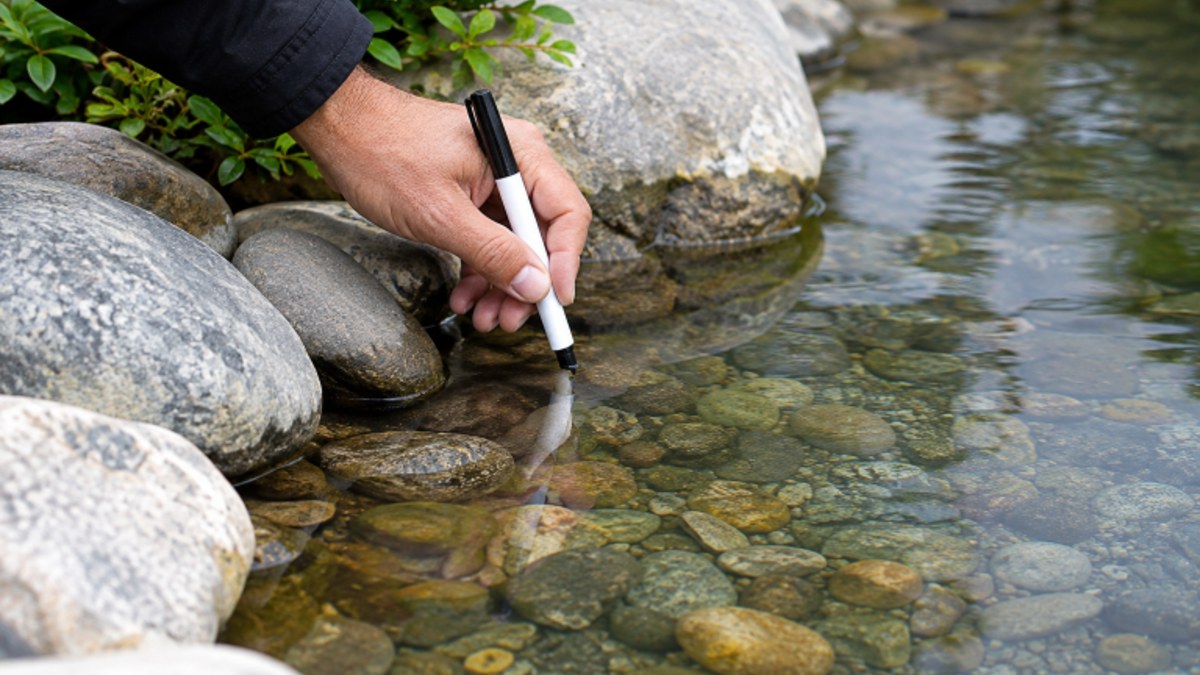
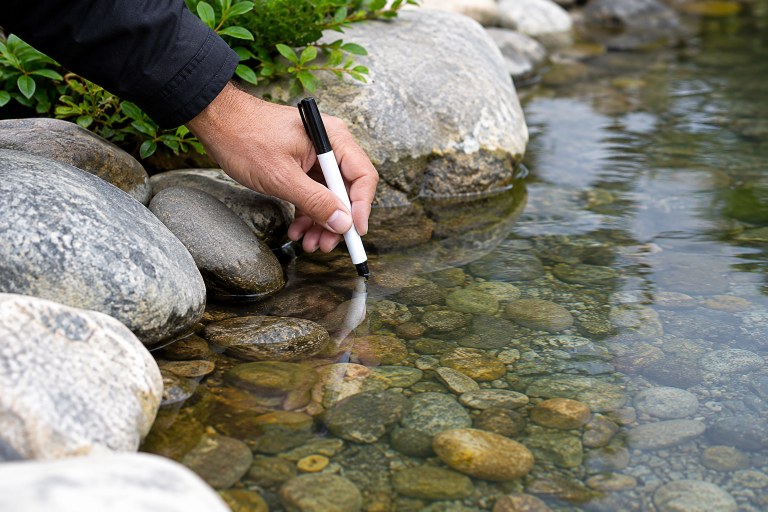
Evaporation is normal during hot, dry, or windy stretches, but a sharp or persistent drop may point to a leak. Mark the waterline with a small piece of tape or a photo reference, then compare it at the same time each day for several days. Also, inspect the waterfall, plumbing, and filter area, since water can escape outside the pond basin.
Avoid adding random algaecides or water treatments simply because the water looks green. Consider fish, plants, pets, and the product directions first. A better first response is often removing decaying material, improving circulation, reducing excess sunlight, and identifying the nutrient source.
Fall: Stay Ahead of Leaves and Storm Runoff
Falling leaves are more than a cosmetic problem. If they settle on the bottom and decay, they can add organic material to the water and burden the filtration system. A pond net can be useful during peak leaf drop, particularly under maples, oaks, and other mature trees common across Baltimore neighborhoods. Otherwise, remove leaves frequently with a pond skimmer or net before they sink.
Trim dying aquatic plants, while leaving reasonable cover where it supports the pond’s desired habitat. After heavy rain, inspect nearby slopes, downspouts, mulch beds, and bare soil. Runoff can carry sediment into the pond, turning the water muddy and creating conditions that feed algae.
Fall Pond Checklist
- Clear skimmers, intake screens, and filter baskets.
- Remove heavy leaf buildup from the surface and bottom.
- Check stones and edging for movement or gaps.
- Test pumps and filters before colder weather arrives.
- Watch for cloudy or muddy water after storms.
Winter: Protect Fish and Equipment
Fish become less active as water temperatures fall, so feeding and maintenance routines may need to change. If the pond contains fish, maintaining an area for gas exchange during freezing weather can be important. Use equipment designed for winter pond use and follow the manufacturer’s instructions. Do not strike ice with a hammer or other tool, since sudden impact can stress fish and damage pond components.
Some pond systems are designed to run through winter, while others need pumps, filters, or exposed plumbing to be protected or removed. The correct approach depends on the pond’s construction and equipment. Winter is also a useful planning season for repairs, renovations, or upgrades that can be scheduled before spring maintenance demand increases.
Five Warning Signs That Need Quick Attention
- A falling water level: Rule out evaporation, then inspect for loose fittings, plumbing leaks, liner damage, or water escaping around a waterfall.
- Cloudy or foul-smelling water:These conditions can indicate decaying debris, poor circulation, or a filter in need of attention.
- Heavy algae growth: Persistent blooms can be connected to excess nutrients, abundant sunlight, or insufficient circulation.
- A noisy or weak pump: Check for clogged intakes, restricted flow, air in the line, worn components, or electrical issues.
- Shifting rocks or wet soil: Movement around the edge may indicate overflow, erosion, or a hidden water-loss problem.
When Routine Maintenance Is Not Enough
Clearing leaves and rinsing a filter are manageable tasks for homeowners. Repeated water loss, damaged liners, unstable rockwork, electrical concerns, failed equipment, poor filtration, and uncontrolled plant growth deserve a more thorough diagnosis. Replacing parts without identifying the source can leave the original problem unresolved.
Safety matters, too. Disconnect electrical equipment before handling pumps or filters, and keep children and pets away from slippery stones, deep water, and uncovered equipment. Decorative ponds should not be confused with community stormwater facilities, which may have different maintenance responsibilities and treatment requirements. Homeowners can review stormwater management facility requirements to better understand why algae treatments and maintenance decisions must be handled carefully.
Create a Simple Year-Round Pond Care Plan
A written routine makes pond care easier. During the growing season, perform a monthly check and take photos whenever something looks unusual. Record water level changes after heat waves, heavy rain, or cold snaps. Those notes can help distinguish a one-time event from a repeating problem.
- Observe water clarity, movement, and water level.
- Remove leaves, litter, and excess plant debris.
- Check pumps, filters, tubing, and skimmers.
- Inspect visible liner areas, stones, and edging.
- Photograph wet spots, algae growth, or shifting materials.
- Arrange an assessment if the same problem returns.
Small Checks Protect a Backyard Oasis
A healthy Baltimore pond does not need constant work, but it does need steady attention. By inspecting equipment, controlling debris, monitoring water loss, and responding early to storm or seasonal changes, homeowners can protect the pond’s appearance, function, and enjoyment throughout the year.
- Tips for Planning for a Relaxing Couples Massage Experience
- A Guide to Building a Spine-Friendly Daily Routine for Better Mobility
- How DNA Matches And Family Records Work Together
- How Baltimore, MD Homeowners Can Keep Backyard Ponds Healthy Through Every Season
- 6 Best Shower Remodeling Companies for a Faster, Safer Bathroom Upgrade