

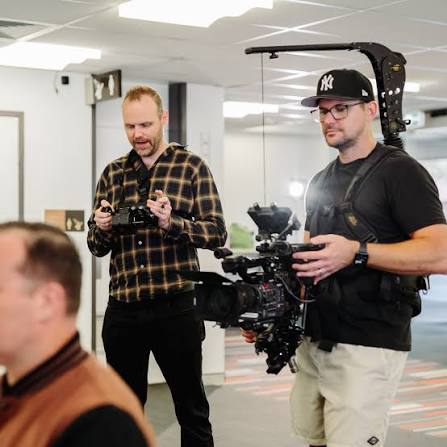

Marketing teams and PR professionals need video that supports a campaign, announcement, interview, or client message. Corporate video production brings the filming, presentation, and technical work behind that communication into one planned process. Production choices vary by audience, message, and setting, so each element must support the intended use. Here are some of the elements that shape an effective corporate video:
Production Format Selection
A production format should reflect the video’s communication purpose. Media tours support interviews with journalists, while podcasts create space for longer conversations with executives, experts, or other guests. Roundtable discussions provide another format when several participants need to address a shared subject. Each approach creates a different production setup, and the chosen format influences how participants, equipment, and locations are coordinated.
Visual Environment Design
The production environment influences how an organization, spokesperson, or subject appears on camera. Studio spaces provide controlled surroundings for corporate videos, testimonials, podcasts, and interviews. Location production captures the subject within an environment connected to the topic, giving the footage a relevant visual context. The setting also affects lighting, framing, sound, and camera placement.
Set decisions help establish a defined visual identity for a video. Backgrounds and furniture occupy part of the frame, while lighting affects how presenters and subjects appear on screen. Branded elements may also form part of the environment when the video supports organizational communications. A production team coordinates these details around the recording’s purpose.
Production Technology Integration
Technical coordination integrates cameras, audio, graphics, and remote participants into a single production. The process adds another layer when contributors or visual elements are in different locations, as in virtual production. When recording in a studio, you must make other equipment decisions based on the number of participants and the format being used.
Several aspects of the technical setup support the filming process. Interviews are shot from multiple angles, and professional audio equipment is used to capture presenters and guests clearly. Graphics provide titles and presentation content, and monitoring equipment lets the production crew view the recording during shooting.w
Presenter Delivery
Presenters shape how an organization’s message comes across to its audience. Whether it’s an executive interview, testimonial, training video, podcast, or roundtable discussion, each format calls for a slightly different approach. Teleprompters support prepared remarks when speakers need to maintain specific wording during recording. The production setup also affects how naturally participants communicate with viewers.
Final Deliverable Quality
Post-production turns recorded material into content suited to its intended communication purpose. Editing establishes the sequence, while sound work shapes the clarity of dialogue and supporting audio. Graphics provide information that viewers may need while watching, and color correction creates greater consistency across the footage. The final process connects the recorded material to the organization’s plans for its use. The finishing process of corporate video production may include:
- Editing: Arranges recorded material into a coherent sequence.
- Sound: Balances dialogue and supporting audio.
- Graphics: Adds titles, names, logos, and supporting information.
- Color: Creates visual consistency across recorded footage.
- Formatting: Prepares the finished video for its intended platform.
Distribution also influences post-production decisions. A video created for media outreach may require a different final format from training content or an internal presentation. Planning the intended use early gives the production team a clearer direction for the finished material.
Plan Corporate Video Production
A PR team may use video across several communication activities, so the production approach needs to match each communication goal. A media interview requires a different setup from a podcast, while an executive message differs from training content. Defining the audience, message, format, and intended use gives the production team a clear brief before filming begins. Discuss your communication goals with a professional production team and plan your corporate video production around them.
- A Day That Feels Like Your Own: Assisted Living, Choice, and Connection in Seattle, Washington
- The Daily Movement Plan for a Healthier Back in Davie, Florida
- How to Build a Practical Sports Nutrition Routine for Everyday Training
- How to Choose Window Treatments for Better Light, Privacy, Comfort, and Safety in The Seacoast, New Hampshire
- From Health Questions to Useful Evidence: How Clinical Studies Guide Better Choices