


Los Angeles rewards food lovers who plan with a little restraint. The city offers an extraordinary range, but its size, traffic, parking, and neighborhood variety can turn an ambitious dining list into a rushed day. Start by browsing the best restaurants in Los Angeles, then narrow your options based on where you want to spend your time, what you want to eat, and how much you want to spend.
- Why A Food Day Needs A Simple Plan
- Choose One Main Area
- Build A Meal Schedule That Feels Natural
- Match The Plan To The Budget
- Balance Big Meals With Small Stops
- Plan For Different Tastes
- Factor In Travel Time
- Know When To Book Ahead
- Sample Los Angeles Food-Day Plans
- Common Questions
- How Many Restaurants Should Be Included In One Day?
- Should Visitors Rent A Car For A Food-Focused Day?
- Can A Food Day Work For Families?
- Conclusion
A great Los Angeles food day is not about squeezing in as many restaurants as possible. It is about enjoying a few well-chosen stops, having time to walk or relax between them, and leaving room for an unexpected coffee shop, bakery, market stall, or dessert that catches your attention.
Why A Food Day Needs A Simple Plan
Los Angeles is a city of distinct dining neighborhoods, not one compact restaurant district. A breakfast in Santa Monica, lunch in Koreatown, and dinner in the Arts District may sound exciting, but the travel between them can consume much of the day. A simple plan keeps the experience enjoyable: pick a general area, set one or two priorities, and build the rest around them.
Leave breathing room in the schedule. You may want a longer meal, a break from the heat, time to browse nearby shops, or the freedom to join a short line for something that looks too good to skip. The goal is satisfaction, not a checklist.
Choose One Main Area
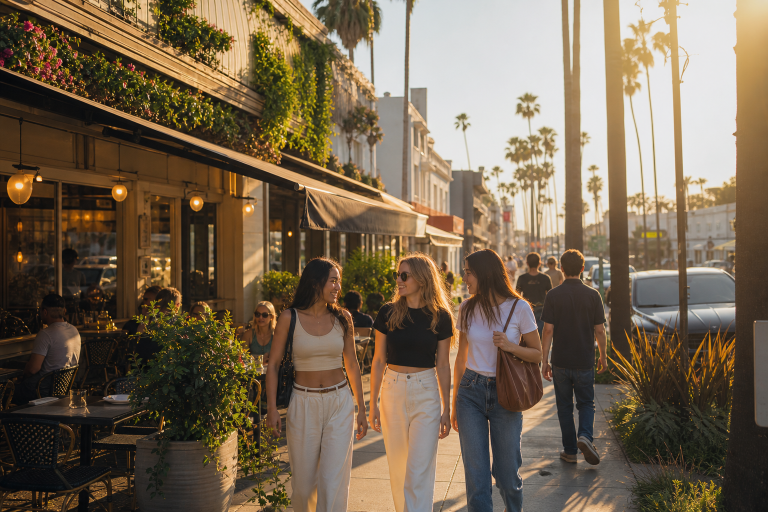
Select a central neighborhood before choosing individual restaurants. For a relaxed, walkable day, look for an area with coffee, shopping, lunch, and dessert within a few blocks. For a beach-focused outing, choose a coastal neighborhood where a meal can be paired with time outdoors. Central areas can offer a wide range of cuisines, while nightlife districts may be better suited to a late dinner and drinks.
A useful rule is to choose one main zone and add no more than one nearby area, unless transportation is particularly easy. For example, a Westside dining guidedemonstrates, through nearby coastal communities, how you can stay focused while still pairing food with sightseeing.
Build A Meal Schedule That Feels Natural
Think of the day as a rhythm rather than a series of reservations. A comfortable structure might look like this:
- Morning: Begin with coffee, a pastry, or a light breakfast.
- Midday: Have a filling lunch, followed by a walk, museum visit, shopping, or beach time.
- Afternoon: Add a small savory snack, dessert, or market stop.
- Evening: Make dinner the day’s main event, especially if the group has one restaurant it truly wants to try.
Try to leave at least 90 minutes between major meals, and more if lunch is substantial. Booking every stop too tightly can make even excellent food feel like an obligation. A loose afternoon stop is often better than another fixed reservation.
Match The Plan To The Budget
Set a spending style before leaving home. A low-cost day can combine counter-service meals, food markets, and shared snacks. A mid-range day may include one sit-down lunch or dinner, with the remaining stops kept casual. For a special occasion, save most of the budget for one memorable dinner and keep breakfast and lunch simple.
- Low-cost: Coffee, market food, tacos, noodles, and shared sweets.
- Mid-range: One full-service meal plus casual stops before or after.
- Special occasion: A light daytime plan and a reserved dinner.
- Group outing: Several shareable dishes so everyone can sample more.
Check menus, service fees, parking prices, reservation deposits, and cancellation rules before committing. A meal that appears affordable on the menu can cost more once drinks, taxes, parking, and shared extras are included.
Balance Big Meals With Small Stops
Variety usually creates a better day of eating than three heavy meals. Start lightly, share a lunch, choose one small afternoon treat, and save your appetite for dinner. Food halls, bakeries, tasting menus, and restaurants with shareable plates can all help a group explore more flavors without overdoing every stop.
Split orders when possible, especially if you are traveling with other curious eaters. One appetizer, one signature dish, and one dessert can be more memorable than each person ordering a large individual meal at every restaurant.
Plan For Different Tastes
Group work best when everyone has a voice early in the planning process. Ask each person to name one must-have cuisine or experience, then identify the overlap. Instead of trying to satisfy every preference at every meal, agree on one shared priority for lunch and another for dinner.
- Check menus for vegetarian, vegan, gluten-free, and allergy-aware choices.
- Favor flexible menus with snacks, sides, and shareable dishes.
- Choose earlier meal times for families or larger groups.
- Call ahead for serious food allergies, since online menus may not show every preparation detail.
Factor In Travel Time
Transportation often determines whether an itinerary feels easy or exhausting. Walk when stops are close together, but account for parking and traffic when moving between neighborhoods. If the group plans to drink, ridesharing may be simpler than managing cars and parking garages. Keep one flexible stop near the final destination so a delayed afternoon does not ruin the evening.
Pairing dining with local activities also reduces unnecessary movement. A day in Culver City, Mar Vista, and Venice can combine meals with neighborhood wandering, shopping, and time outdoors.
Know When To Book Ahead
Reserve ahead for weekend dinners, popular brunches, limited-seat restaurants, chef-led tasting menus, and large groups. If dinner is the centerpiece of the day, secure it first and plan the earlier stops around its location and timing.
Walk-ins are often better for coffee shops, casual counters, food markets, and early lunches. They give the day flexibility and make it easier to respond to appetite, weather, traffic, or a restaurant that looks especially inviting.
Sample Los Angeles Food-Day Plans
Relaxed Neighborhood Day
- Light breakfast and coffee.
- A morning walk, a gallery visit, or local shopping.
- Casual lunch nearby.
- An afternoon dessert stop.
- A reserved dinner within the same general area.
Budget-Friendly Tasting Day
- Coffee and a shared pastry.
- Market lunch with several small orders.
- A low-cost snack or drink.
- Shared dinner plates at a casual restaurant.
Special-Occasion Day
- A simple breakfast.
- One outdoor or cultural activity.
- A light midday meal.
- An afternoon rest period.
- A pre-booked dinner is the main event.
Common Questions
How Many Restaurants Should Be Included In One Day?
Two full meals and one or two smaller stops are a realistic target. Add more only when portions are small, and the stops are close together.
Should Visitors Rent A Car For A Food-Focused Day?
It depends on the neighborhoods, group size, and parking plans. A car helps with distance, while walking and ridesharing can be easier in busy areas.
Can A Food Day Work For Families?
Yes. Choose casual settings, earlier meal times, shareable dishes, and breaks between stops so children have time to reset.
Conclusion
A memorable Los Angeles food day comes from thoughtful choices, not a packed schedule. Focus on one area, set a realistic budget, allow time between meals, and let one pleasant surprise fit into the plan. Good food is better when there is enough time to enjoy the surrounding city.
- The Benefits of Seeing a Back Doctor for Sports Injuries
- How Skin Removal Surgery Helps Enhance Weight Loss
- How Industrial Teams Can Prevent Costly Equipment Downtime
- A Complete Guide To Filing A Medical Malpractice Claim In Georgia
- Find an Inclusive Therapist in Chicago, Illinois: Culturally Responsive Care With Ida Lillie Psychotherapy