

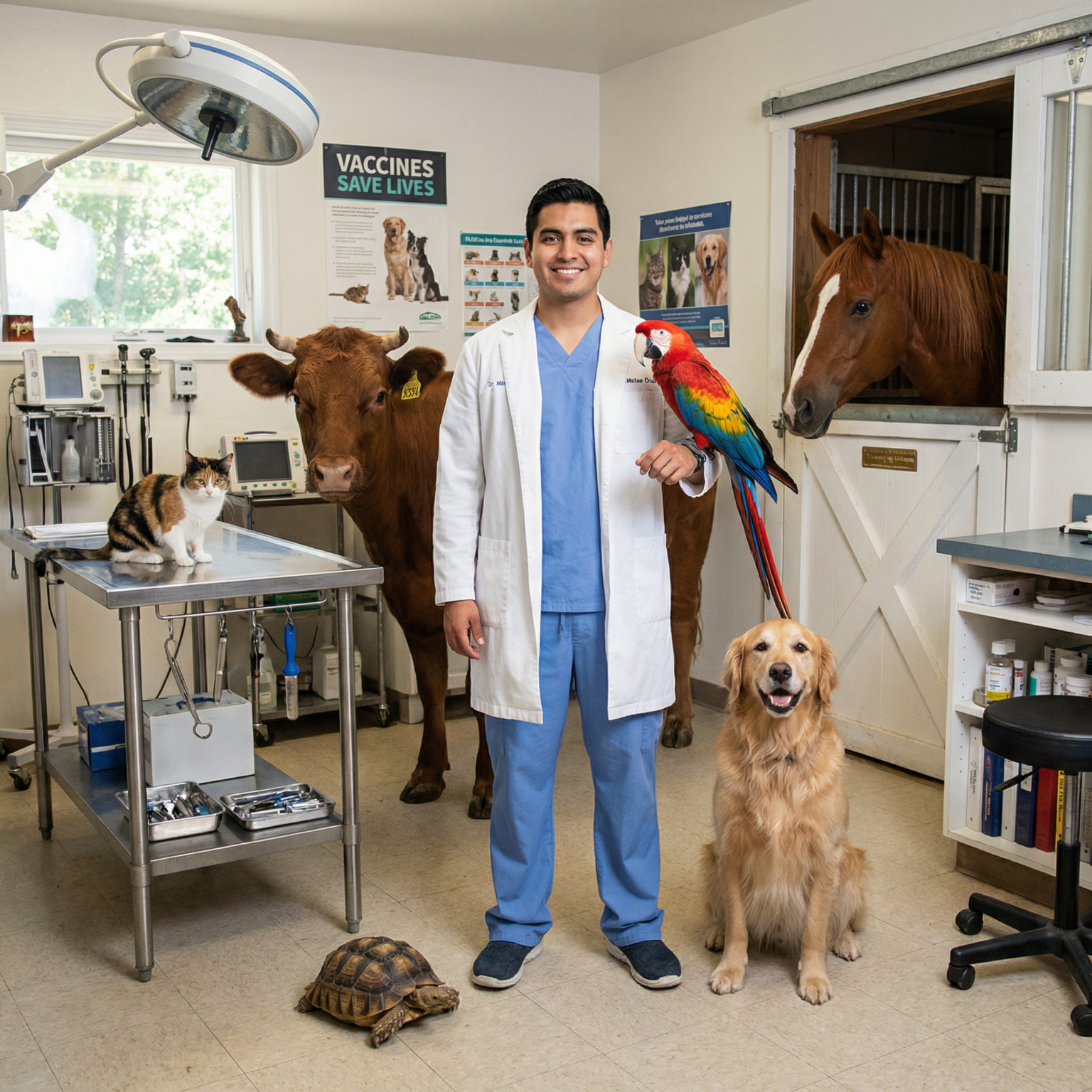

Veterinary medicine requires physical ability, sound clinical judgment, and the skill to perform specialized procedures safely. An injury or illness that limits these abilities could affect a veterinarian’s ability to perform their professional duties. Employer-sponsored benefits offer one form of protection, but coverage varies based on the practice and employment arrangement. Here is what to know about disability insurance for recently graduated veterinarians:
Protect Veterinary Income
Veterinary income supports housing, student loan payments, transportation, and other regular financial obligations after graduation. If an illness or injury prevents a veterinarian from working, disability benefits may replace part of that lost income. The benefit amount depends on the policy terms and the qualifying disability defined within the contract.
Employer-sponsored disability coverage also has limitations that vary between veterinary practices. A corporate practice and a private clinic provide different benefit amounts, waiting periods, and definitions of disability. Individual coverage remains separate from those employment arrangements, which matters when a veterinarian changes practices. Policy provisions also determine how long benefits continue after a qualifying disability.
Income protection becomes more relevant after veterinary school, when a veterinarian’s earnings begin covering financial obligations from training and daily living. Student loan payments often continue after graduation, alongside housing costs and other professional expenses. Time away from clinical work could reduce the income available to meet those financial responsibilities.
Prepare for Practice
Graduates enter veterinary careers through different paths, and their insurance needs shift as their employment changes. Internships and residencies typically offer different compensation and benefits than established private practice positions. Corporate veterinary jobs also provide benefit packages that vary by employer and contract terms. Individual disability insurance for recently graduated veterinarians offers an additional layer of financial protection as employment circumstances evolve.
Secure Future Benefits
Veterinary income often changes as professional experience grows, so policy provisions should account for potential changes in earnings. Future increase options allow policyholders to apply for additional coverage under the policy’s qualifying terms. Residual disability benefits address situations in which a veterinarian returns to work but experiences a loss of income due to a disabling condition. Both provisions relate to how disability affects income over time. Policy riders differ in their purpose, eligibility requirements, and coverage terms, so the relevant provisions depend on the individual policy and circumstances. Key features to review include:
- Future increase options. Allow additional coverage when qualifying income increases.
- Residual disability benefits. Address reduced income after returning to veterinary work.
- Benefit adjustment provisions. Specify how coverage changes in response to changes in professional earnings.
- Rider eligibility requirements. Define when additional policy benefits become available.
Plan Coverage Growth
Coverage needs often change after a veterinarian moves from supervised training into established clinical practice. Rising earnings create a different income level to protect, while expanded responsibilities may change the financial impact of an extended absence. Employer changes also affect group benefits, particularly when a veterinarian moves between private practices and corporate organizations. Individual coverage remains tied to the policyholder, not a particular veterinary employer.
Policy reviews provide an opportunity to evaluate benefit amounts and available riders as professional circumstances change. A veterinarian’s income, workplace, and clinical responsibilities often evolve during the years after graduation. Reviewing these changes helps determine whether the existing coverage continues to align with current needs. The policy’s terms ultimately determine which adjustments and options are available.
Address Veterinary Duties
Veterinary practice combines hands-on tasks and clinical responsibilities that require specific physical and professional skills. Veterinarians examine animals, perform procedures, operate equipment, and spend time standing or moving throughout the workday. Own-occupation coverage focuses on the ability to perform the duties of the insured occupation rather than the ability to work in any job. The policy’s definition of disability determines how an insurer evaluates an injury that prevents a veterinarian from performing clinical duties.
Review Disability Insurance for Recently Graduated Veterinarians
Veterinarians entering practice face financial obligations while relying on specialized physical and clinical abilities to perform their work. Individual disability coverage provides income protection, while occupation-specific provisions connect benefits to the duties of the insured profession. Future increase and residual disability provisions address changes in coverage needs as a veterinary career develops. Speak with a qualified insurance professional to review disability insurance for veterinarians and determine which policy provisions fit your circumstances.
- The Benefits of Seeing a Back Doctor for Sports Injuries
- How Skin Removal Surgery Helps Enhance Weight Loss
- How Industrial Teams Can Prevent Costly Equipment Downtime
- A Complete Guide To Filing A Medical Malpractice Claim In Georgia
- Find an Inclusive Therapist in Chicago, Illinois: Culturally Responsive Care With Ida Lillie Psychotherapy