

Good physical health is not only about looking fit. It is about having enough energy to handle daily activities, keeping your muscles and bones strong, supporting your heart, and feeling better throughout the day. The good news is that you do not need expensive gym equipment or a complicated workout plan to become more active. Simple and regular exercises can make a big difference.
If you are wondering about the best exercises for improving physical health, the answer is not just one exercise. A healthy routine should include different types of movement, such as walking, strength training, stretching, balance exercises, and activities that improve heart and lung fitness.
The most important thing is to choose exercises you enjoy and can continue doing regularly. Here are some of the best options to consider.
1. Walking
Walking is one of the easiest and most useful exercises for people of almost all fitness levels. You can walk outdoors, around your home, at work, or on a treadmill.
Regular walking can help improve cardiovascular fitness, support healthy weight management, strengthen the legs, and increase daily energy. A brisk walk can also be a simple way to become more active without putting too much stress on the body.
Start with a comfortable amount of time and gradually increase your pace or distance. Even short walks throughout the day can help you build an active lifestyle.
2. Running and Jogging
If your body is comfortable with higher-impact exercise, jogging or running can provide a stronger cardiovascular workout. These activities work many muscles while making the heart and lungs work harder.
Running may help improve endurance, strengthen the lower body, and support overall fitness. However, beginners should not feel pressured to run long distances immediately.
A good approach is to alternate between walking and jogging. As your fitness improves, you can slowly increase the jogging time.
3. Strength Training
Strength training is an important part of physical health because strong muscles make everyday activities easier. You do not necessarily need heavy weights. Bodyweight exercises can be enough for beginners.
Useful exercises include:
- Squats
- Lunges
- Push-ups
- Glute bridges
- Planks
- Step-ups
Strength training can help build muscle, support bones and joints, improve body stability, and make daily movements easier.
Try to focus on proper technique rather than lifting as much weight as possible. If you are new to exercise, start with simple movements and gradually increase the difficulty.
4. Cycling
Cycling is another excellent exercise for improving physical fitness. You can ride a bicycle outdoors or use a stationary bike indoors.
Cycling provides cardiovascular exercise while working the legs. It can also be a practical form of transportation, allowing you to combine exercise with everyday activities.
For beginners, start with short, comfortable rides. As your endurance improves, you can gradually increase the duration or intensity.
5. Swimming
Swimming is a full-body activity that can provide cardiovascular exercise while using many different muscle groups. Because the water supports much of your body weight, swimming can feel easier on the joints than some high-impact exercises.
Different swimming strokes can challenge different muscles, while simply moving through the water can help improve endurance.
If you are not an experienced swimmer, consider taking lessons or exercising in a safe, supervised pool.
6. Stretching
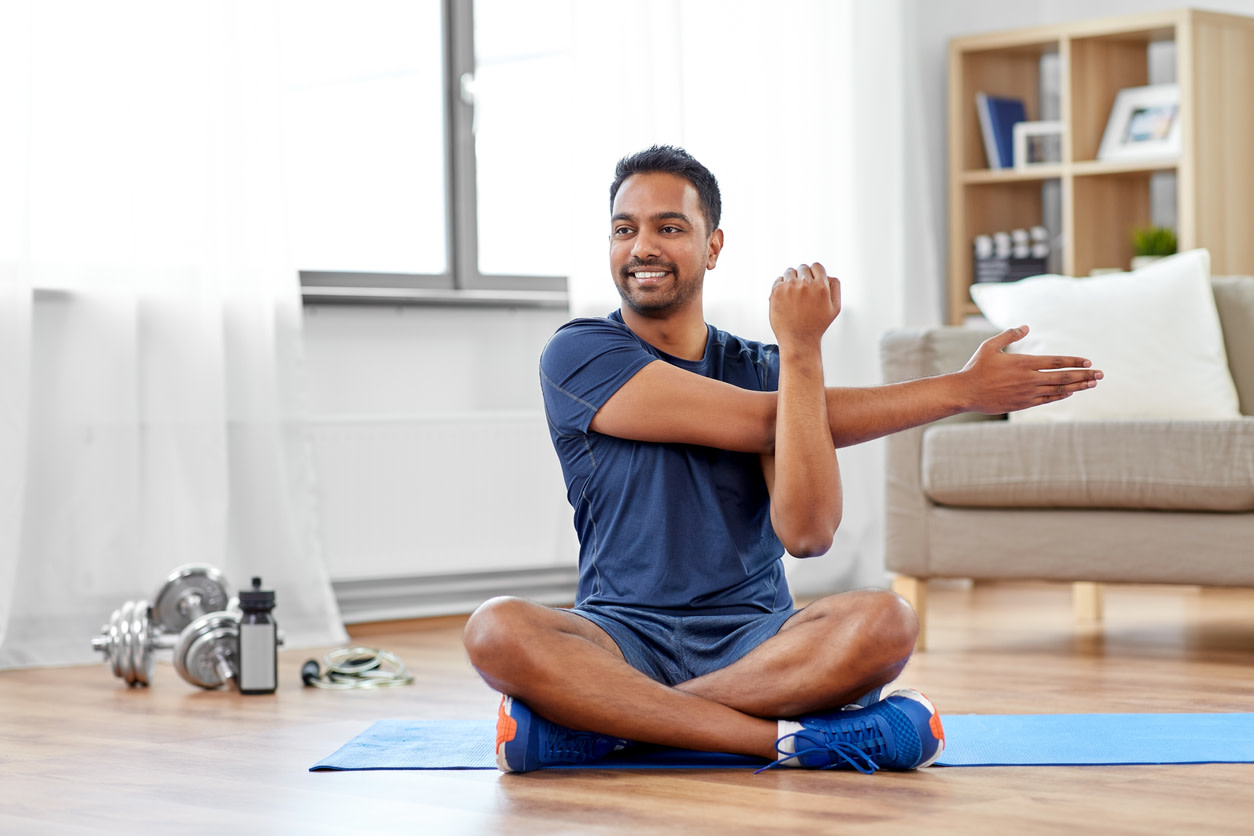
Stretching is often overlooked, but flexibility is an important part of physical health. Regular stretching can help you move more comfortably and maintain a useful range of motion.
Simple stretches can focus on areas such as the legs, hips, shoulders, chest, and back.
Avoid forcing a stretch or bouncing while stretching. Move slowly and stop if you feel sharp pain. Gentle stretching can be particularly useful after your muscles are warm.
7. Yoga
Yoga combines movement, flexibility, balance, and controlled breathing. Different styles range from gentle routines to physically demanding practices.
For beginners, simple yoga movements can help improve flexibility and body awareness. Balance-focused poses can also help develop stability.
You can practice yoga at home with little or no equipment. Start with beginner-friendly movements and learn proper form before attempting difficult poses.
8. Core Exercises
Your core includes muscles around your abdomen, back, pelvis, and hips. A stronger core can help support your body during many everyday movements and other exercises.
Planks, bird dogs, dead bugs, and controlled abdominal exercises are examples of movements that can strengthen the core.
You do not need to perform hundreds of repetitions. Focus on controlled movements and good technique.
9. Stair Climbing
Stair climbing is a simple way to add more physical activity to your day. Walking up stairs can challenge the heart and lungs while working the legs.
If you normally use an elevator, choosing the stairs for a few floors can be an easy way to increase daily movement.
Start slowly if you are not used to climbing stairs. Use the handrail when necessary and avoid pushing yourself beyond your comfort level.
10. Balance Exercises
Balance becomes especially important as people get older, but everyone can benefit from improving stability.
Simple balance exercises may include standing on one foot, heel-to-toe walking, or controlled leg movements. These exercises can be practiced for short periods and gradually made more challenging.
When practicing balance, use a stable surface nearby for support. Safety should always come first.
How to Build a Healthy Exercise Routine
Knowing the best exercises is useful, but consistency matters more than choosing a perfect workout.
A balanced weekly routine can include several types of exercise. For example, you might walk or cycle on several days, perform strength exercises a couple of times each week, and include stretching or gentle yoga regularly.
You should also give your body enough time to recover. Rest is not a sign of weakness. It allows your body to adapt to exercise and can help you avoid doing too much too quickly.
If you have been inactive for a long time, start with small goals. A 15-minute walk may be more realistic than trying to complete a one-hour workout immediately. Once the habit becomes comfortable, gradually add more time or intensity.
Why Consistency Matters
One of the biggest mistakes people make is exercising intensely for a few days and then stopping. Physical health improves through regular habits.
You do not have to exercise perfectly every day. Some days may be busy, and some workouts may be shorter than planned. The important thing is to return to your routine rather than giving up.
Try connecting exercise with activities you already enjoy. You could listen to music while walking, exercise with a friend, ride a bicycle with family, or follow a beginner workout at home.
Making exercise enjoyable can make it much easier to continue.
Combine Exercise With Healthy Daily Habits
Exercise works best as part of a healthy lifestyle. Along with regular movement, pay attention to sleep, nutritious food, hydration, stress management, and recovery.
Choose a variety of nutritious foods, including vegetables, fruits, whole grains, protein sources, and healthy fats. Drink enough fluids throughout the day, especially when exercising in hot weather.
Sleep is also important. Your body needs adequate rest to recover from daily activities and exercise.
Most importantly, listen to your body. Normal muscle tiredness can happen after exercise, but severe pain, dizziness, chest discomfort, or unusual shortness of breath should not be ignored. Stop exercising and seek appropriate medical advice when needed.
Final Thoughts
The best exercises for improving physical health are the ones that you can perform safely and consistently. Walking, jogging, cycling, swimming, strength training, stretching, yoga, core exercises, stair climbing, and balance activities can all contribute to a healthier and stronger body.
You do not need to transform your lifestyle overnight. Start with one or two activities that feel manageable. Build a regular routine, increase your activity gradually, and give your body enough time to recover.
Small steps can become powerful habits. Whether you take a daily walk, perform a short strength workout, or spend a few minutes stretching, regular movement can help you create a healthier and more active lifestyle.
Frequently Asked Questions
1. What is the best exercise for overall physical health?
There is no single best exercise for everyone. A combination of cardiovascular activity, strength training, flexibility exercises, and balance work provides a more complete approach to physical fitness.
2. Can walking improve physical health?
Yes. Regular walking can support cardiovascular fitness, strengthen the legs, increase daily activity, and contribute to overall health. Beginners can start with short walks and gradually increase their time and pace.
3. How often should beginners exercise?
Beginners should start at a comfortable level and gradually build their routine. A mix of moderate cardiovascular activity and strength exercises spread across the week can be a useful goal, while allowing enough recovery time.
4. Can I improve my physical health without going to a gym?
Absolutely. Walking, bodyweight exercises, stretching, yoga, cycling, stair climbing, and home workouts can all be done without a traditional gym membership.
5. Should I exercise every day?
You can stay active every day, but not every day needs to be a hard workout. Light walking, gentle stretching, or other easy activities can be combined with more demanding exercise days and adequate rest.