


Key Takeaways
- Regular recall checks and organized repair records support safer ownership.
- A VIN search can identify unrepaired safety recalls associated with one specific vehicle.
- Brake, steering, tire, suspension, and warning-light concerns deserve prompt attention.
- Safety ratings and reliability history answer different questions when shopping for an SUV.
- A short monthly walk-around can help reveal issues before a long trip or heavy-load day.
Full-size SUVs often handle the biggest jobs in a household, including school drop-offs, family vacations, towing, work travel, and hauling people or gear. That makes a practical safety routine more important than ever. Owners researching a Chevrolet model can start by reviewing its Tahoe recall and problem history, then compare that information with the service records for their own vehicle.
- Key Takeaways
- Why a Safety Checkup Matters
- Start With a VIN and Recall Search
- Read Recall Notices Carefully
- Build a Simple Repair Record
- Watch for Common Safety Warning Signs
- Check More Than the Engine
- Use Safety Ratings as a Shopping Tool
- Prepare for Long Trips and Heavy Loads
- Ask Better Questions at the Repair Shop
- When a Problem Keeps Returning
- Conclusion
A useful safety checkup is not limited to oil changes and tire rotations. It includes checking for open recalls, monitoring changes in braking or steering, documenting repairs, and addressing warning signs before a routine drive becomes unsafe.
Why a Safety Checkup Matters
Large SUVs carry more than their own weight. Passengers, trailers, luggage, tools, and cargo can increase the demands placed on tires, brakes, suspension components, and cooling systems. A vehicle may still start, run, and show no obvious dashboard warning while developing a problem that needs attention.
Safety also involves more than surviving a collision. Good crash protection, properly working seat belts, clear headlights, responsive brakes, and driver-assistance features can all matter. Drivers should treat changes in how an SUV feels, sounds, or handles as useful information, not as something to ignore until the next scheduled service.
Start With a VIN and Recall Search
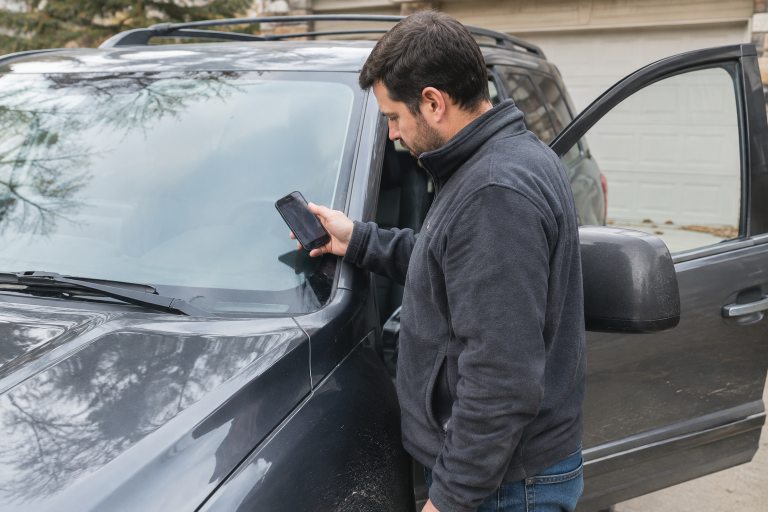
The vehicle identification number, commonly called a VIN, is a unique 17-character code assigned to the vehicle. It is usually visible through the lower edge of the windshield on the driver’s side. It can also appear on the registration card and insurance documents.
Use the official recall lookup tool to see whether a specific VIN has any unrepaired recalls. A VIN search is more precise than a broad year, make, and model search because vehicles from the same model year may have different production details and repair histories. A broader search can still be useful for reviewing recalls, complaints, investigations, and manufacturer communications tied to a vehicle line.
Read Recall Notices Carefully
When a recall notice arrives, read the entire document before deciding how urgent the repair is. It should explain the affected vehicle population, the reported defect, the possible safety consequence, the recommended action, and the expected remedy.
Confirm whether the repair has already been completed. A used SUV may have had recall work performed by a prior owner, while another vehicle of the same year and trim may still need service. Follow any interim instructions from the manufacturer, particularly when a notice involves airbags, fire risk, fuel systems, steering, brakes, tires, or other issues that could affect safe operation.
Build a Simple Repair Record
Create one paper folder or digital file for the SUV. Save repair orders, invoices, recall notices, warranty paperwork, photos of warning lights, and notes showing the date, mileage, repair facility, and symptoms reported. This record can make a recurring issue easier to explain to a technician.
For example, if a check-engine light appears three times within six months, record what happened before each occurrence, whether the SUV drove differently, and what repair was performed. The pattern may help a repair professional determine whether the same underlying problem is returning rather than treating every visit as unrelated.
Watch for Common Safety Warning Signs
Problems That Need Immediate Attention
Stop driving and arrange for professional help if the vehicle has major braking trouble, sudden steering difficulty, a tire bulge or rapid pressure loss, smoke, a burning smell, or heavy fluid leaking. Towing is often the safer choice when continuing to drive could worsen the problem or put occupants and other road users at risk.
Concerns That Still Deserve a Prompt Inspection
- A brake pedal that feels soft, unusually hard, or different from normal.
- Steering pull, vibration, shaking, or wandering.
- Grinding, clunking, humming, scraping, or repeated knocking sounds.
- Excessive bouncing, uneven ride height, or a vehicle that leans.
- Delayed engagement, slipping, or harsh transmission shifts.
- Repeated warning lights after a repair attempt.
- Uneven tire wear, cracks, low pressure, or damaged sidewalls.
Also, pay attention to fluid leaks and moisture near visible wiring or connectors. Air-conditioning drainage and other systems should direct moisture away from sensitive components, so unexplained wet areas deserve inspection.
Check More Than the Engine
A monthly walk-around can take about 15 minutes. Test exterior lights, wipers, the horn, the backup camera, and seat belts. Check tire pressure when tires are cold, inspect the tread and sidewalls, and look beneath the SUV after it has been parked for signs of fresh fluid spots.
Open the hood only when it is safe to do so and look for visibly damaged hoses, loose belts, or low fluid levels. Safety equipment can wear or malfunction even when the engine starts normally, so include the items that occupants use every day.
Use Safety Ratings as a Shopping Tool
Safety ratings are not the same as reliability history. Reliability focuses on repair frequency, long-term ownership experience, and operating concerns. Safety evaluations focus on occupant protection in a crash and technology designed to avoid or reduce the severity of a crash.
When comparing candidates, use vehicle safety ratings for the exact model year whenever possible. Equipment can change between trims and model years, especially headlights, automatic emergency braking, and other driver-assistance features. Vehicle size can be a factor in crash outcomes, but it does not replace good engineering, properly worn restraints, appropriate tires, or attentive driving.
Prepare for Long Trips and Heavy Loads
Before a road trip, towing day, or fully loaded weekend, inspect the spare tire, check fluids, test the brakes at low speed, secure loose cargo, and make sure passenger seating is properly adjusted. Keep emergency supplies, a flashlight, and a phone charger in the vehicle.
Stay within the SUV’s listed payload and towing limits, and follow the tire-pressure label and owner’s manual rather than guessing at a higher pressure. Extra weight can affect braking distance, handling, and tire stress, especially when a vehicle is loaded unevenly.
Ask Better Questions at the Repair Shop
Clear questions produce clearer records. Ask what caused the issue, whether it may relate to a recall or service campaign, whether the SUV is safe to drive, what parts will be replaced, and what should be checked if the symptom returns. Request a written estimate before work begins and a completed repair order afterward.
When a Problem Keeps Returning
Repeat repairs deserve closer attention than ordinary maintenance. Keep every invoice, note each symptom, and record how long the SUV was unavailable. Ask whether the shop has tested for the root cause instead of replacing another related part without a confirmed diagnosis. Review warranty terms and manufacturer communications, and consider another qualified inspection when a serious concern remains unresolved.
Conclusion
A full-size SUV can be a capable family and work vehicle, but safe ownership requires more than routine maintenance. Check recalls using the VIN, keep complete repair records, inspect safety-related systems regularly, and act quickly when something feels wrong. Those simple habits can help make everyday driving, towing, and long-distance travel more predictable and safer.
- Healthy Gums, Stronger Smiles in Cedar Park, Texas: Warning Signs, Daily Habits, and Treatment Choices
- How to Build a College Funding Plan Before Borrowing
- Selling a House in Essex, Maryland: Timing, Costs, and Buyer Options
- Bay Village Homeowners’ Guide to Selling Quickly and Preparing for Closing
- How To Sell A House As-Is In Celina, Texas: A Guide To Price, Timing, And Buyer Checks